
When people think of orchestral concerts, they often picture quiet concert halls, classical compositions, and audiences seated in silence. Adekunle Gold's latest North American performances turned that image on its head.
Backed by a 51-piece orchestra, the Nigerian singer transformed prestigious concert venues in Toronto and Newark into vibrant Afrobeats celebrations, proving that African music can command the grandeur of a symphony orchestra without losing its energy, soul, or cultural identity.
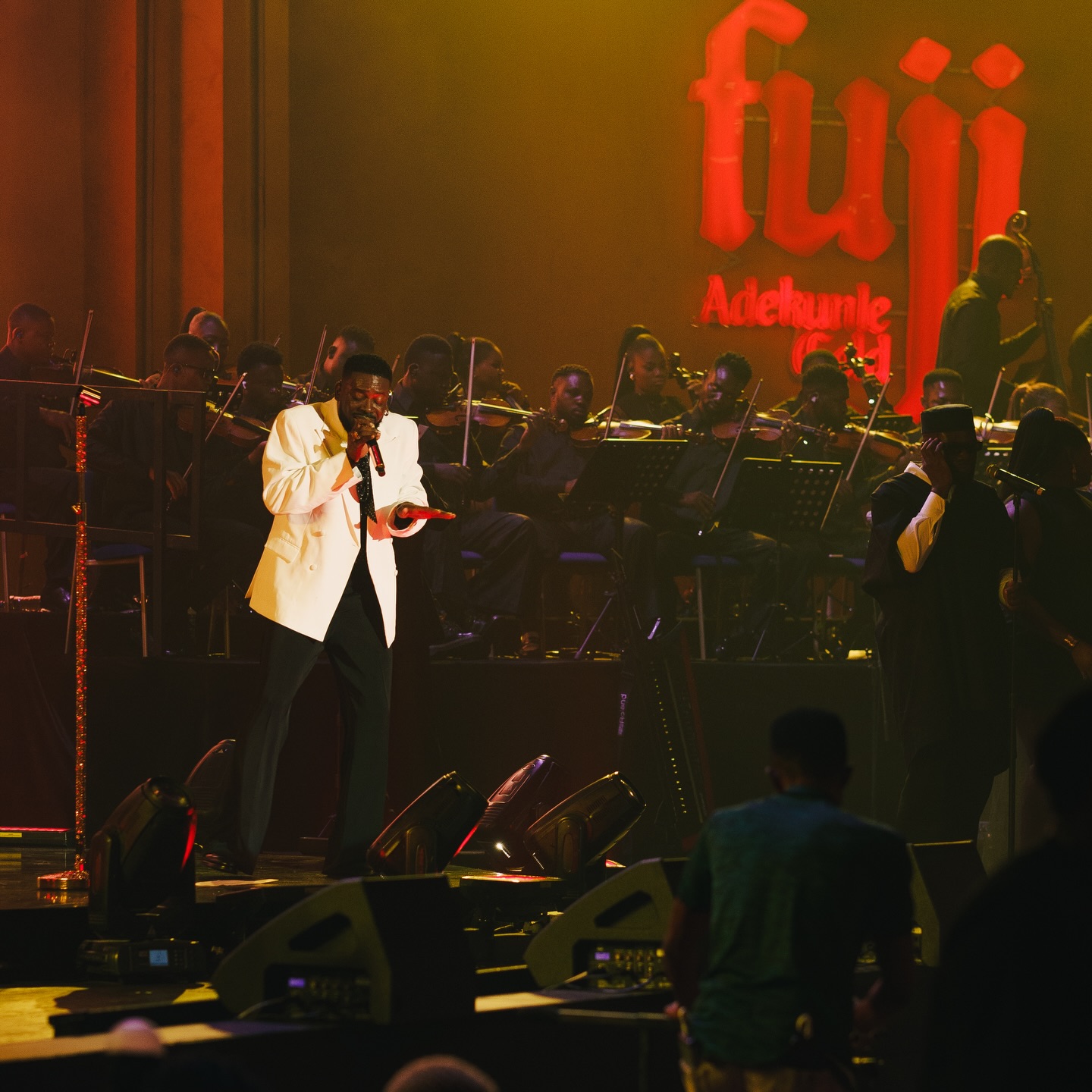
The performances marked the North American debut of Adekunle Gold Live Orchestra, a show that continues the artistic vision first unveiled at the sold-out EFG London Jazz Festival in 2025 before making another successful stop at Lagos' National Theatre later that year.
More Than a Concert
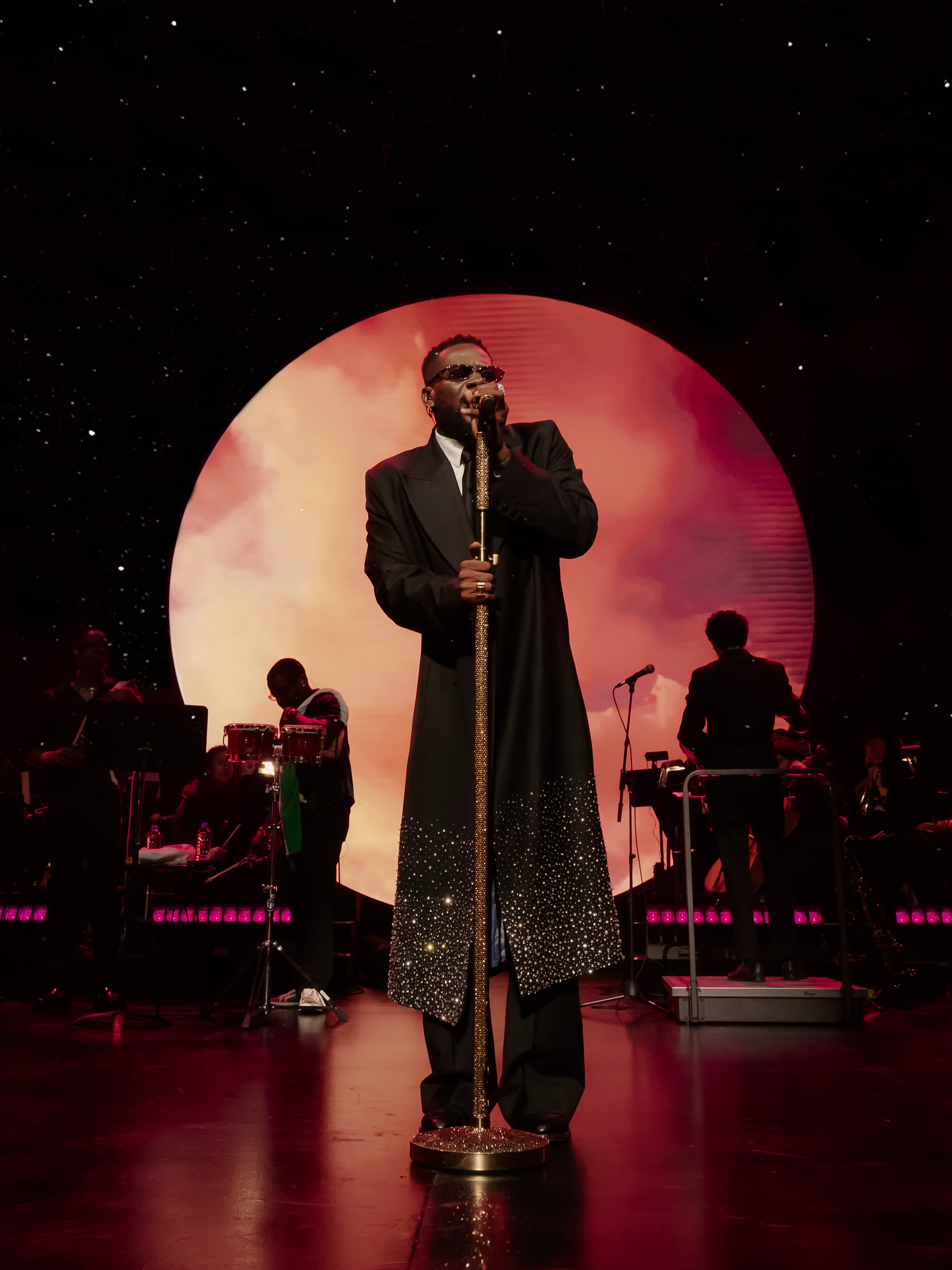
Adekunle Gold has never been afraid to experiment with his sound. From highlife and Afropop to Fuji influences, each phase of his career has expanded his musical identity. His orchestral tour feels like the natural next step.
Speaking about the concept, the singer explained that the performances are designed to change how audiences experience African music.
"These orchestra performances are about expanding how African music is experienced. I want audiences to hear the stories differently, with more depth, more emotion, and more intention."
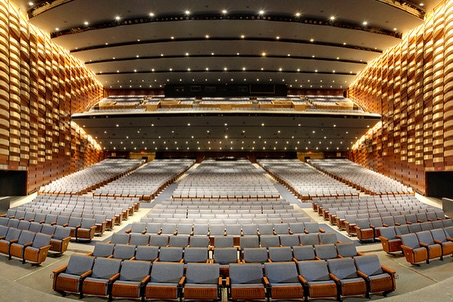
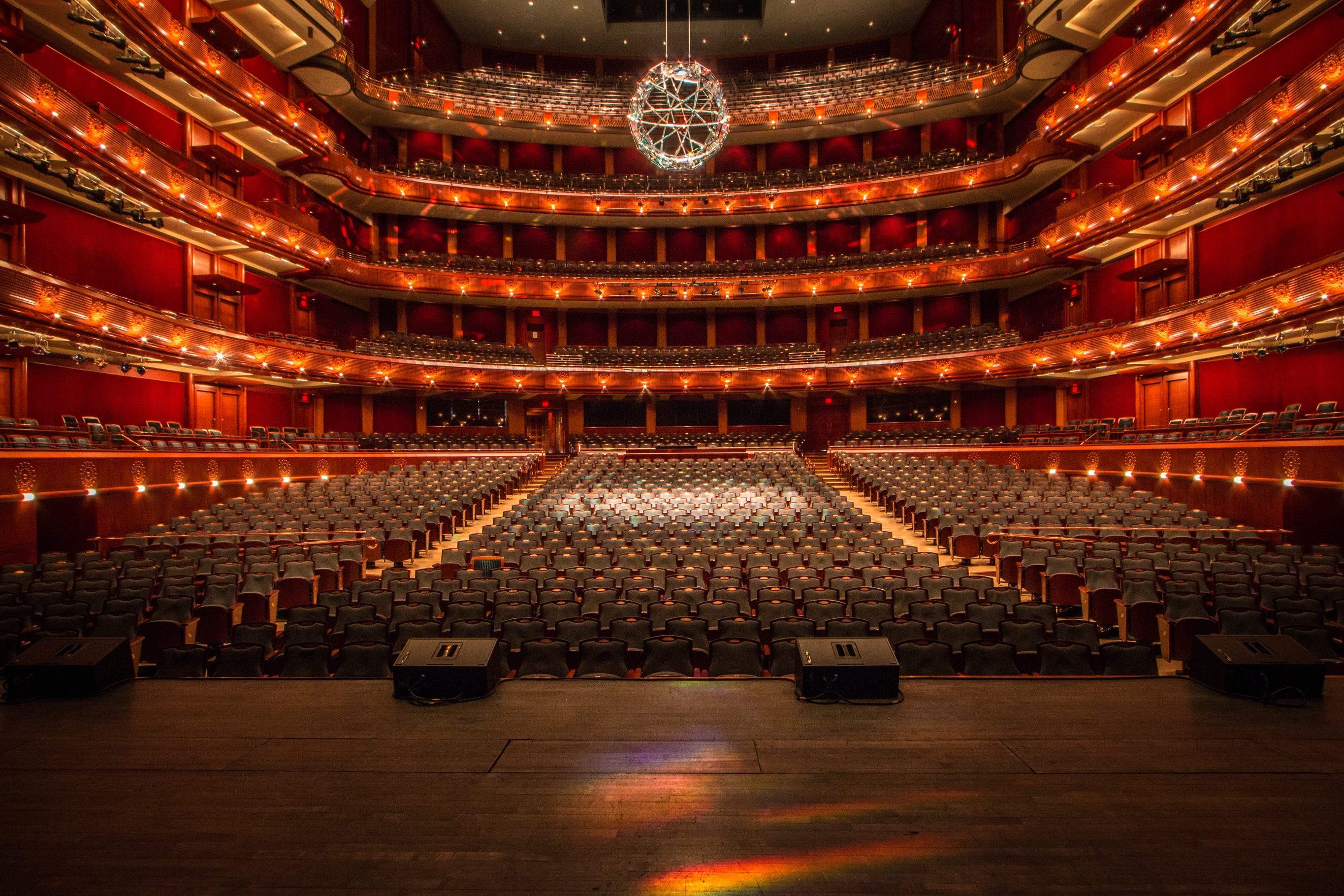
That vision came alive at Toronto's sold-out Meridian Hall, where a full orchestra of strings, brass, and woodwinds joined Adekunle Gold's live band and percussionists to deliver fresh arrangements of some of his biggest records.
Afrobeats Meets the Symphony
Rather than simply replaying his songs with orchestral backing, the performances reimagined them.
Fan favourites such as Orente, Okay, Pick Up, and Party No Dey Stop were transformed through rich symphonic arrangements while still maintaining the percussion-heavy rhythms that define Afrobeats. The result was a performance that felt both familiar and entirely new.
The Toronto audience also received an exclusive surprise when Adekunle Gold debuted an unreleased song titled Karma, giving fans an early glimpse into what could be his next musical chapter.
The performances extended beyond the music. A dance troupe accompanied several songs, adding another visual layer to an already ambitious production.
Sold-Out Shows and Standing Ovations
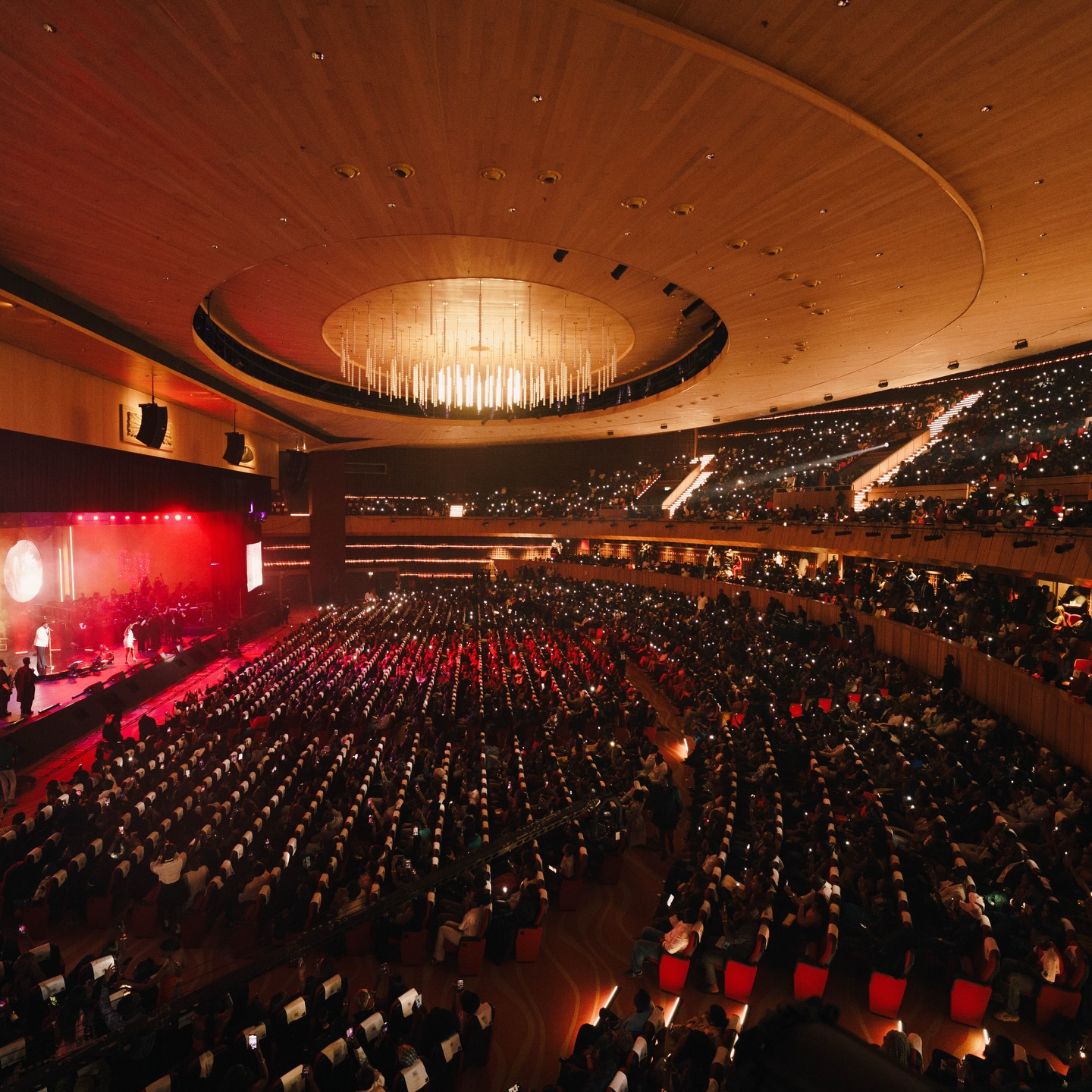
Despite the black-tie dress code, fans had little interest in remaining seated.
Concertgoers sang along so passionately that they occasionally threatened to drown out the orchestra itself, turning the elegant concert halls into spaces filled with the same infectious energy usually associated with Afrobeats festivals and arena shows.
The excitement continued in Newark, where audiences embraced the unique fusion of orchestral music and African rhythms, further demonstrating the growing global appetite for innovative live Afrobeats performances.
A Dream Years in the Making
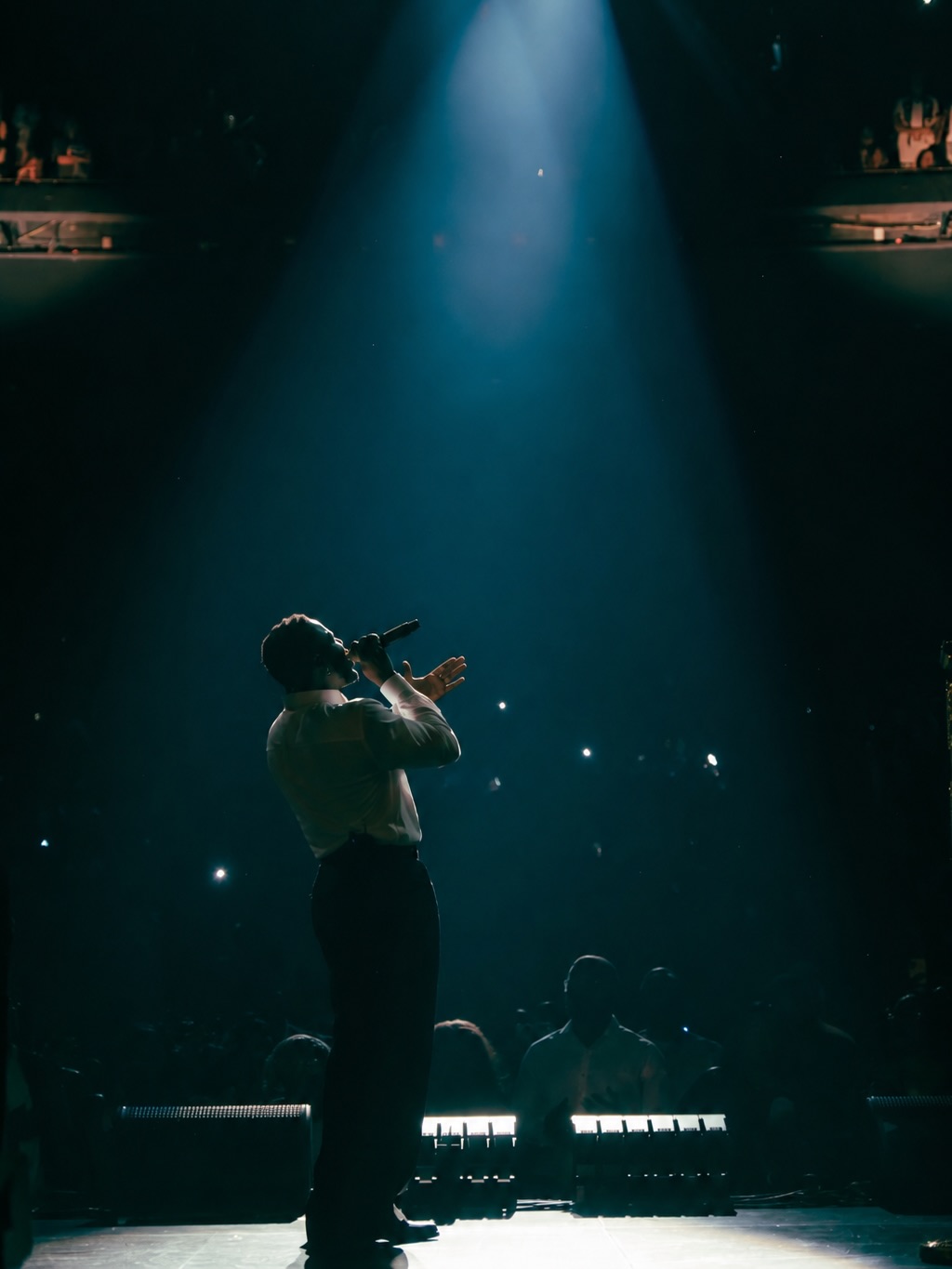
One of the most emotional moments surrounding the tour came not during a performance, but in Adekunle Gold's reflection on the journey.
The singer revealed that six years earlier, while sitting in legendary Nigerian musician Asa's living room, he shared a dream of one day hearing his music performed by a full orchestra.
Standing before 51 musicians as they performed his songs, that vision had finally become reality.
During the shows, he also paid tribute to Fuji legends including Sikiru Ayinde Barrister, K1 De Ultimate, and Adewale Ayuba, acknowledging the pioneers whose music continues to influence his evolving sound.
Raising the Bar for Live Afrobeats
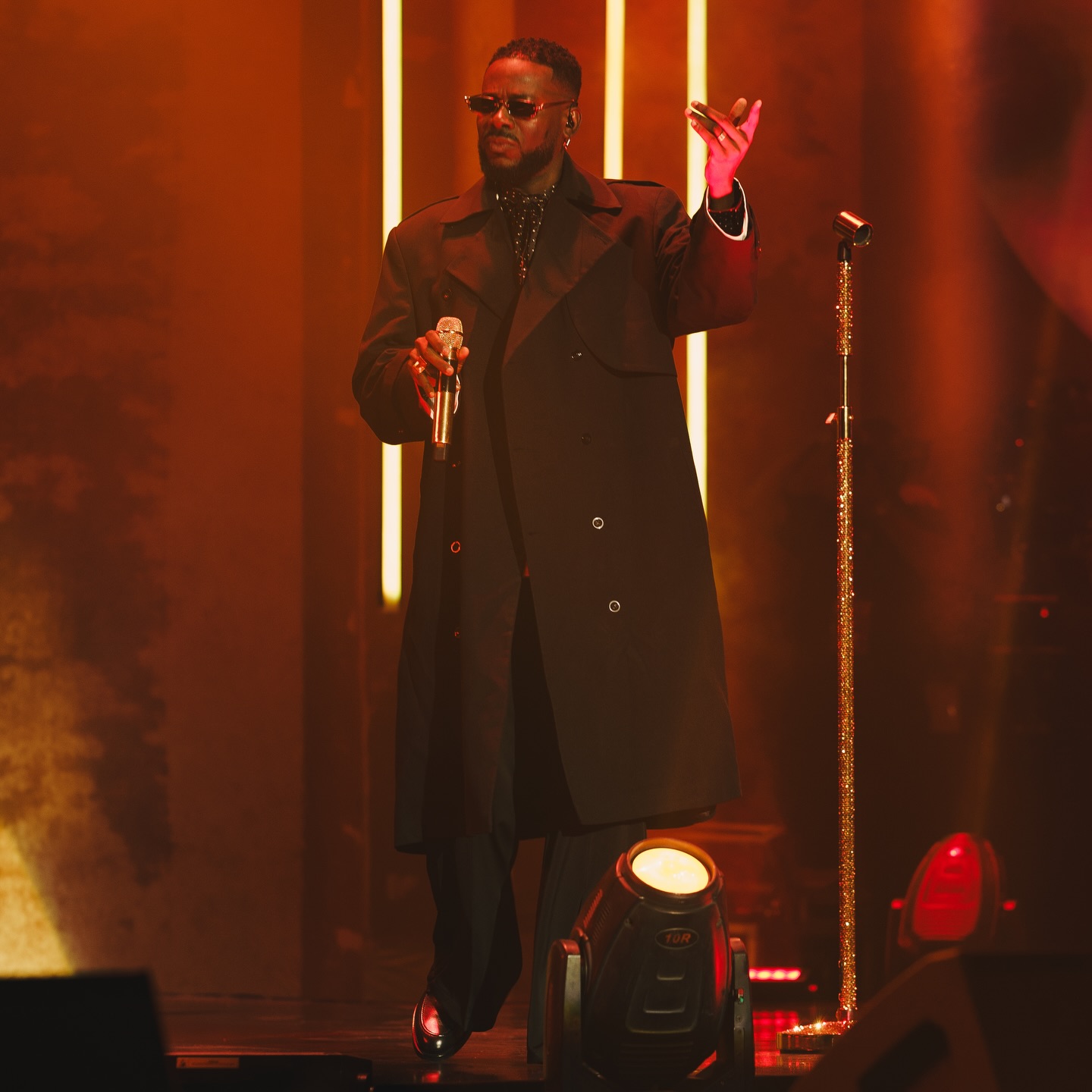
As Afrobeats continues its rapid global expansion, conversations often focus on streaming records, sold-out arenas, and international collaborations. Adekunle Gold's Live Orchestra tour offers a different perspective on that growth.
Instead of simply taking African music to bigger venues, he is exploring new ways to present it, introducing audiences to a version of Afrobeats that feels cinematic without sacrificing its roots.
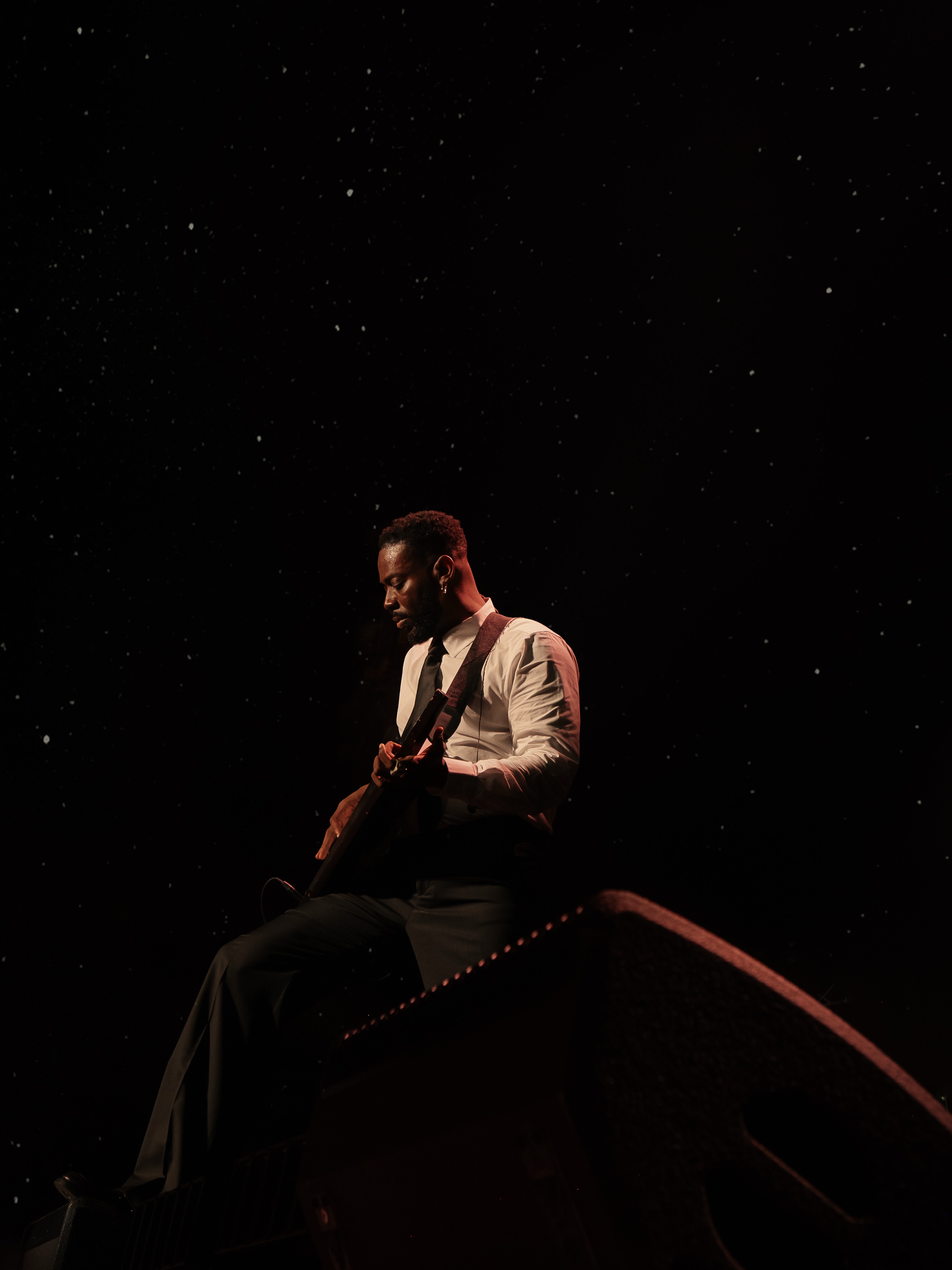
By pairing Yoruba storytelling, Fuji influences, contemporary production, and orchestral arrangements, Adekunle Gold has shown that African music belongs just as naturally in world-class concert halls as it does on festival stages and dance floors.
The sold-out performances in Toronto and Newark were more than successful concerts. They were a statement about the artistic possibilities of Afrobeats and a reminder that the genre continues to evolve in exciting and unexpected ways.


