
Long before Afrobeats became one of the most influential sounds in global music, Wizkid was already carrying the genre into international spaces that once paid little attention to African artists.
Today, seeing African stars nominated at major award shows feels almost normal. Nigerian artists now headline global festivals, dominate streaming charts, and collaborate effortlessly with international superstars. But there was a time when recognition for African music on major platforms felt distant, occasional, and heavily limited.
That is why Wizkid’s history with the BET Awards still matters.

Across more than a decade, the Nigerian star has built one of the most significant BET legacies by an African artist. From winning Best International Act: Africa in 2012 to earning nominations across multiple categories over the years, his journey reflects not just personal success, but the global evolution of Afrobeats itself.
Wizkid’s Early BET Awards Wins Came Before Afrobeats Went Mainstream
In 2012, when Wizkid won Best International Act: Africa, Afrobeats was nowhere near the global force it is today. International exposure for African artists still felt selective and uncertain.
There was even a period when African award categories at major shows were often announced off-stage or presented before the main broadcast began.
That detail matters.
Because it reveals how differently African music was viewed at the time. Recognition existed, but visibility did not always follow it. African artists were acknowledged, but rarely centered within the wider global conversation.
And yet, artists like Wizkid kept showing up anyway.

Over the years, his BET Awards history grew almost side by side with the international rise of Afrobeats:
- 2012 — Best International Act: Africa (Won)
- 2016 — Best International Act: Africa (Nominated)
- 2017 — Best International Act: Africa (Won)
- 2020 — BET Her Award for “Brown Skin Girl” with Beyoncé (Won)
- 2021 — Best International Act (Nominated)
- 2022 — Best Male R&B/Pop Artist (Nominated)
- 2022 — Best Collaboration for “Essence” featuring Tems (Won)
- 2023 — Best Collaboration for “Call Me Every Day” with Chris Brown (Nominated)
- 2026 — Best Group nomination alongside Asake (Pending)
How Wizkid Evolved Alongside the Global Rise of Afrobeats
What makes that run impressive is not simply the number of nominations or wins. It is the range of eras they represent.
Wizkid existed in the phase where African artists were still trying to “cross over.” He then stayed long enough to become part of the generation that helped make Afrobeats globally unavoidable. Even now, more than a decade later, his name continues to appear in conversations around international recognition.
That kind of longevity is rare.
Because music evolves quickly. Audiences move on fast. Viral moments disappear within weeks. But longevity requires something deeper than hype. It demands reinvention, adaptability, and cultural relevance across different generations of listeners.

His early success came from Nigerian pop records that dominated locally. Later, his music evolved alongside the globalization of Afrobeats itself. Then came international collaborations, arena tours, crossover records, and eventually “Essence,” a song many now consider one of the defining Afrobeats records of the modern era.
And somehow, even after all of that, he is still finding new ways to remain part of the conversation.
Why Wizkid’s BET Awards Legacy Still Matters in 2026
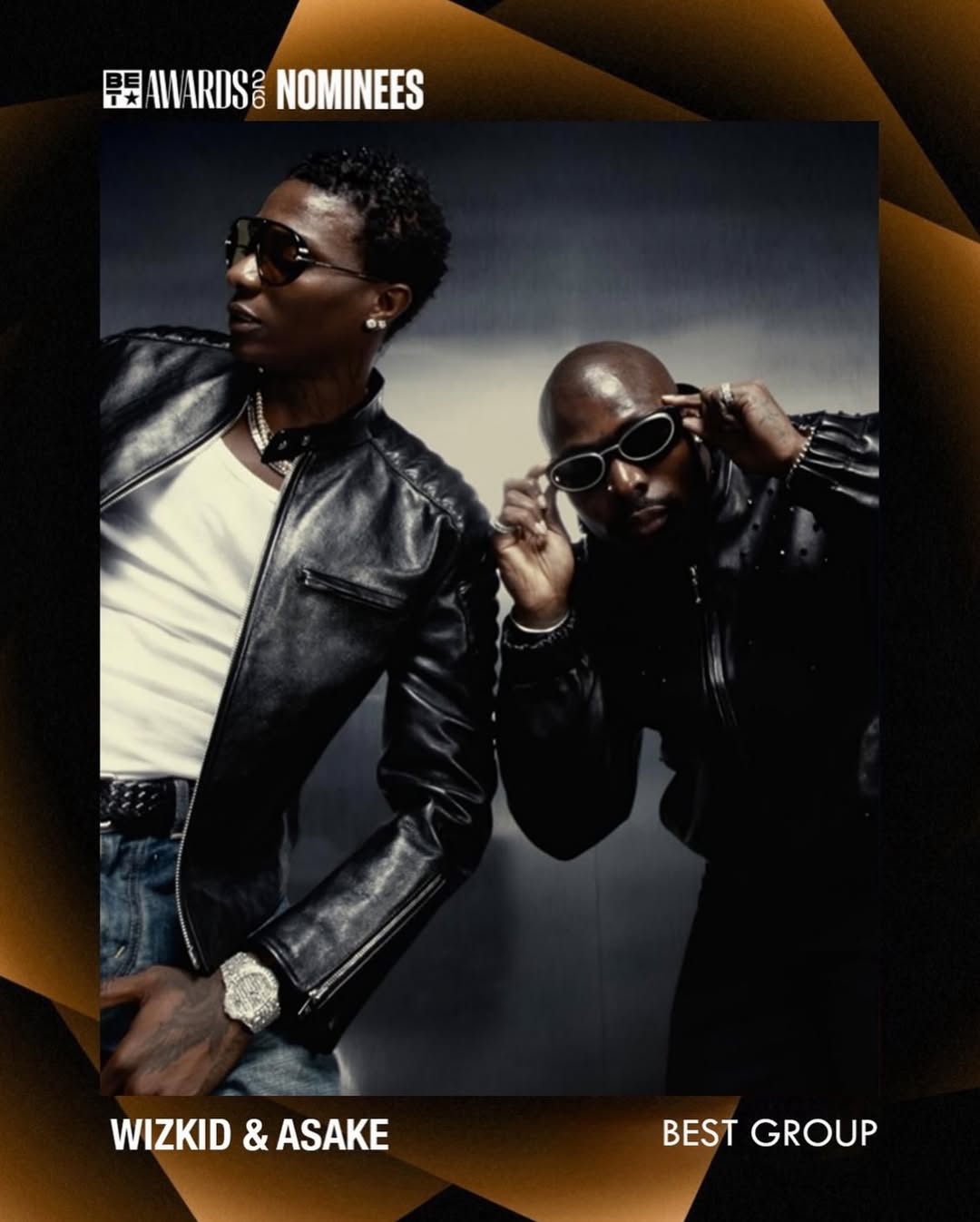
His 2026 Best Group nomination alongside Asake quietly says a lot about reinvention. Fifteen years into his mainstream career, Wizkid is no longer surviving on nostalgia or legacy alone. He is still adapting to new sounds, audiences, and creative partnerships in an industry that rarely gives artists long-term relevance.
That may be one of the most overlooked parts of his story.
Because legacy in music is not built only through hit songs or streaming numbers. It is also built through timing, influence, and cultural shifts. Certain artists become attached to defining moments in history, and Wizkid’s name will likely always remain connected to the global rise of Afrobeats.
The interesting thing is that the award ecosystem itself has changed alongside him.
Years ago, a BET nomination for an African artist felt groundbreaking. Today, Afrobeats has become so globally visible that audiences almost expect African names on major international lists every year. The genre has expanded. The competition has intensified. The standards have changed.
But Wizkid’s BET journey still stands as a bridge between two eras.
One era fought desperately for recognition.
The other walks into global spaces expecting it.

And maybe that is why milestones like his continue to resonate so deeply with fans. Not just because of the awards themselves, but because they remind people how far African music has traveled within a relatively short period of time.
Afrobeats may be bigger today than it has ever been.
But before the world fully embraced the sound, Wizkid was already standing on international stages making sure it could no longer be ignored.


