
For many independent artists today, releasing music often means getting a song onto streaming platforms and hoping it connects with listeners. Services like Spotify, Apple Music, and YouTube have made global distribution easier than ever, allowing artists to reach audiences without the backing of a traditional record label.
But streaming is only one part of the modern music economy.
Another powerful revenue stream exists behind the scenes: sync licensing. While streaming generates income through millions of plays, sync licensing allows music to earn money when it is paired with visual media such as films, television shows, advertisements, trailers, or video games. Understanding how these two systems work, and how they differ is essential for artists trying to build sustainable careers
What Streaming Revenue Actually Means
Streaming revenue is generated when listeners play music on digital platforms. Each stream earns a small payment, often referred to as a micro-royalty. While the exact payout varies depending on the platform, the general rule is simple: the more streams a song receives, the more money it generates.
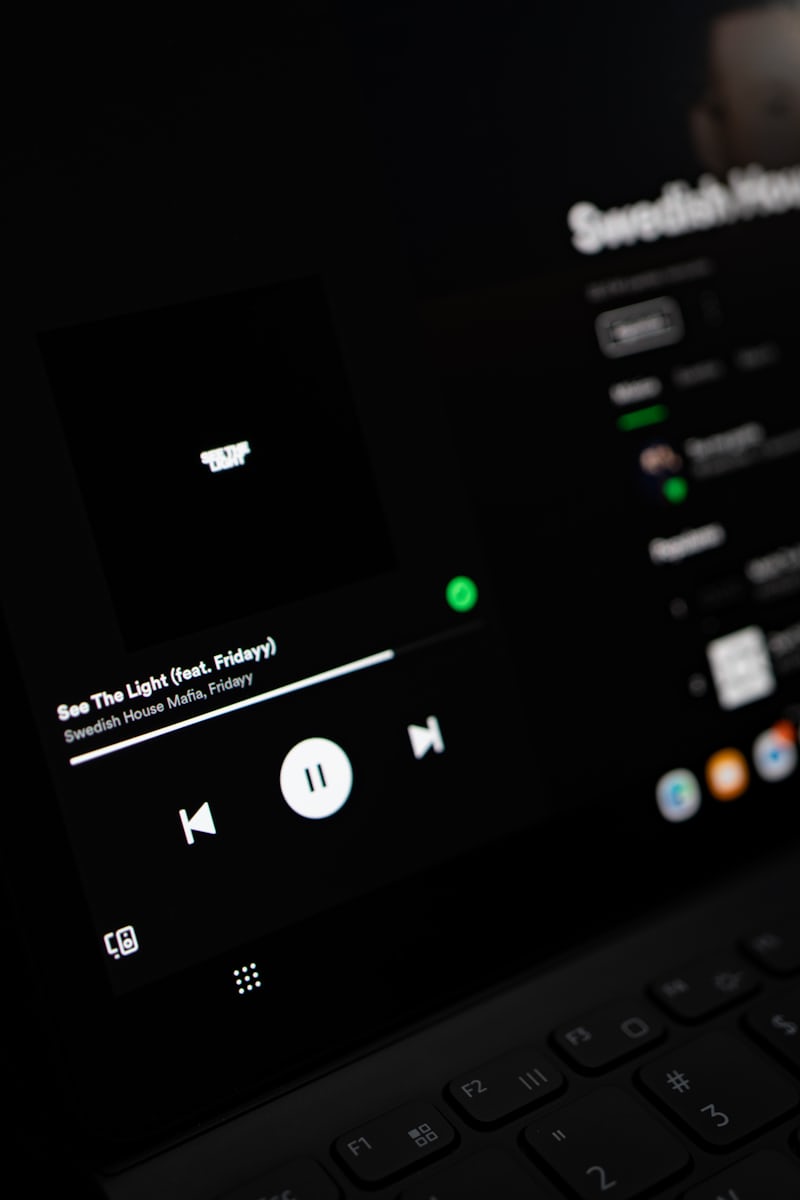
Because of this structure, streaming is a volume-driven system. Artists typically need hundreds of thousands or even millions of streams to generate significant income.
Despite the relatively small payout per stream, streaming offers a major advantage: consistent passive income. As long as a song continues to attract listeners, it can keep generating royalties over time. A track released years ago can still earn money if it remains popular or continues to appear on playlists.
Another benefit of streaming is accessibility. Independent artists can distribute their music directly through digital distributors, placing their songs on major platforms without needing a traditional label deal.
What Sync Licensing Is
Sync licensing, short for synchronisation licensing, occurs when music is legally cleared to be used alongside visual content.
This content can include films, television shows, documentaries, advertisements, video games, trailers, or online media. When a song is synchronized with moving images, the rights holder must grant permission for the music to be used in that context.
Unlike streaming, which relies on listener activity, sync licensing is negotiation-based. A filmmaker, brand, or production company selects a song that fits a particular scene or mood and negotiates a license fee to use it.
These fees can vary widely depending on the size of the project. A local advertisement might pay around $500, while a major film trailer or global campaign could command fees exceeding $100,000.
In addition to the upfront payment, sync placements often generate backend royalties when the content airs on television or is broadcast publicly.
The Key Difference Between Streaming and Sync
The biggest difference between the two models lies in how the money is generated.
Streaming depends on scale and consistency. Artists earn small amounts per play but benefit from continuous listening over time.
Sync licensing, on the other hand, focuses on strategic placement. A single successful sync placement can sometimes generate as much income as millions of streams.
Another key distinction is how songs are chosen.
Streaming success is often driven by trends, playlists, and listener behavior. Sync licensing is driven by creative needs. A director might need an energetic party track for a club scene, while an advertising agency might look for something confident and youthful to match a brand campaign.
In these situations, a song is selected not because it is trending, but because it perfectly fits the moment.
Why Artists Often Combine Both
For many musicians, the most effective strategy is not choosing between streaming and sync licensing, but combining both.
Streaming provides long-term income and helps build an audience over time. Sync licensing, meanwhile, offers the possibility of large payments and valuable exposure. In some cases, a sync placement can even spark new interest in a song, leading to increased streaming numbers after the project is released.
A track featured in a television show, film, or commercial can suddenly reach listeners who might never have discovered the artist otherwise.
This dual strategy allows artists to diversify their income rather than relying on a single revenue stream.
The Bigger Picture
The modern music industry offers more opportunities than ever before, but it also requires artists to understand the business side of their craft.
Streaming provides a steady foundation through listener engagement, while sync licensing opens the door to high-value placements in visual media. Both systems play different roles in how music generates income today.
For artists navigating the industry independently, knowing how these two worlds work and how to take advantage of both, can make a significant difference in building a sustainable career.


