
When a song that mimicked Drake and The Weeknd’s voices went viral in 2023, it sent tremors through the global music scene. The track, created entirely by artificial intelligence, sounded authentic enough to fool millions, but it also exposed a growing tension between innovation and integrity in music.
Artificial intelligence is now reshaping nearly every corner of the industry, from production and distribution to marketing and even music itself. While it promises faster workflows and creative freedom, it also threatens to upend traditional notions of talent, ownership, and compensation.
Reinventing Music Production
AI is revolutionizing how music is made. Producers and artists now rely on machine learning tools to generate melodies, create harmonies, and even produce full instrumentals.
Programs like AIVA and Suno can compose songs in minutes, allowing musicians to focus on other creative aspects.
Beyond composition, AI has made mixing and mastering more accessible. Advanced software analyzes tracks and automatically adjusts balance, tone, and loudness. Offering near- professional results at a fraction of studio costs.
For independent artists, this is a game changer, yet it also raises pressing questions about whether machines can replicate human emotional depth. While technology can achieve a level of technical perfection that humans might struggle to reach, many in the industry argue that the true 'soul' of music lies in its inherent imperfections.
Distribution and Copyright in the Age of Algorithms
AI’s influence extends far beyond the studio. Platforms like Spotify and YouTube use machine learning to recommend songs, organize playlists, and tailor listening experiences to individual users. While this has improved accessibility and discovery, it has also deepened dependence on opaque algorithms that shape what audiences hear.
At the same time, generative AI models are creating songs indistinguishable from human compositions: often trained on unlicensed datasets gotten from the internet. This practice, critics argue, violates the copyrights of millions of artists. Courts worldwide are now grappling with these issues, but existing copyright laws lag behind technological reality.
The financial consequences are significant. Streaming services are already experimenting with AI-generated content to cut costs. Why pay royalties when machines can produce “good enough” tracks for free? For many musicians, this trend threatens to shrink already limited revenue streams.
Economic Shifts and Job Displacement
AI’s economic impact is reshaping the creative workforce. Background music for example, which was once commissioned for advertisements, video games, or YouTube, can now be produced in seconds by generative models. This automation risks displacing human composers and lowering wages across the industry.
New roles are emerging, however. Some producers are becoming “music prompt engineers,” guiding AI systems with creative input rather than traditional instrumentation.
But this shift also raises concerns about the devaluation of artistic skill, as anyone with the right software can now generate a song in minutes.
The democratization of music creation is both empowering and dangerous. While AI gives voice to those who could never afford a studio, it also floods the market with machine-made content, making it harder for human artists to stand out.
An Uncertain Future for Human Creativity
The arrival of what some researchers call “frontier AI models” capable of autonomously writing, producing, and marketing music, marks a turning point. These systems don’t need rest, royalties, or creative freedom, posing what critics describe as “impossible competition” for human artists.
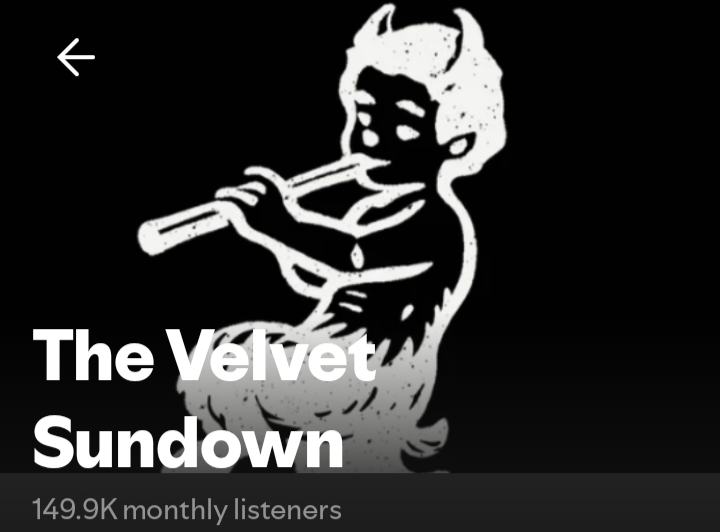
Already, AI bands like Velvet Sundown are appearing on Spotify, producing songs without any human involvement
Conclusion
Artificial intelligence is not simply a new instrument in the music industry, it’s a disruptive collaborator, competitor, and catalyst for change. The challenge now is to strike a balance: taking advantage of AI’s power to expand creativity while protecting the humanity that gives music its heart.


