
Today, March 2, 2026, marks the third annual “Burna Boy Day” in the city of Boston, a designation that continues to stand as one of the most symbolic recognitions of an African artist by a major American city.
The day was officially proclaimed in 2024 by the Boston City Council, led by Council President Ruthzee Louijeune, in honor of Burna Boy: born Damini Ebunoluwa Ogulu for his contributions to music, culture, and social advocacy. The declaration followed his historic, sold-out performance at TD Garden, where he became the first African artist to headline and sell out the 20,000-capacity arena.
What began as recognition of a milestone concert has since evolved into something deeper: an ongoing cultural relationship between the Grammy-winning Nigerian star and the city.
From Arena Milestone to Civic Honor
The original proclamation described Burna Boy as a “global cultural icon” who helped introduce and popularize Afrobeats to the world. It acknowledged his role in amplifying marginalized voices and challenging long-standing mainstream narratives that have historically overlooked African artistry.
The resolution also highlighted Boston’s significant Nigerian population, Massachusetts ranks among the top 10 U.S. states with the highest Nigerian-born residents, framing Burna Boy Day as a reflection of the city’s commitment to diversity and cultural inclusion.
By designating March 2 annually as Burna Boy Day, the city signaled that his impact extended beyond entertainment. It was about representation.
Deepening Community Roots
Since the inaugural declaration in 2024, Burna Boy’s connection to Boston has moved beyond symbolism.
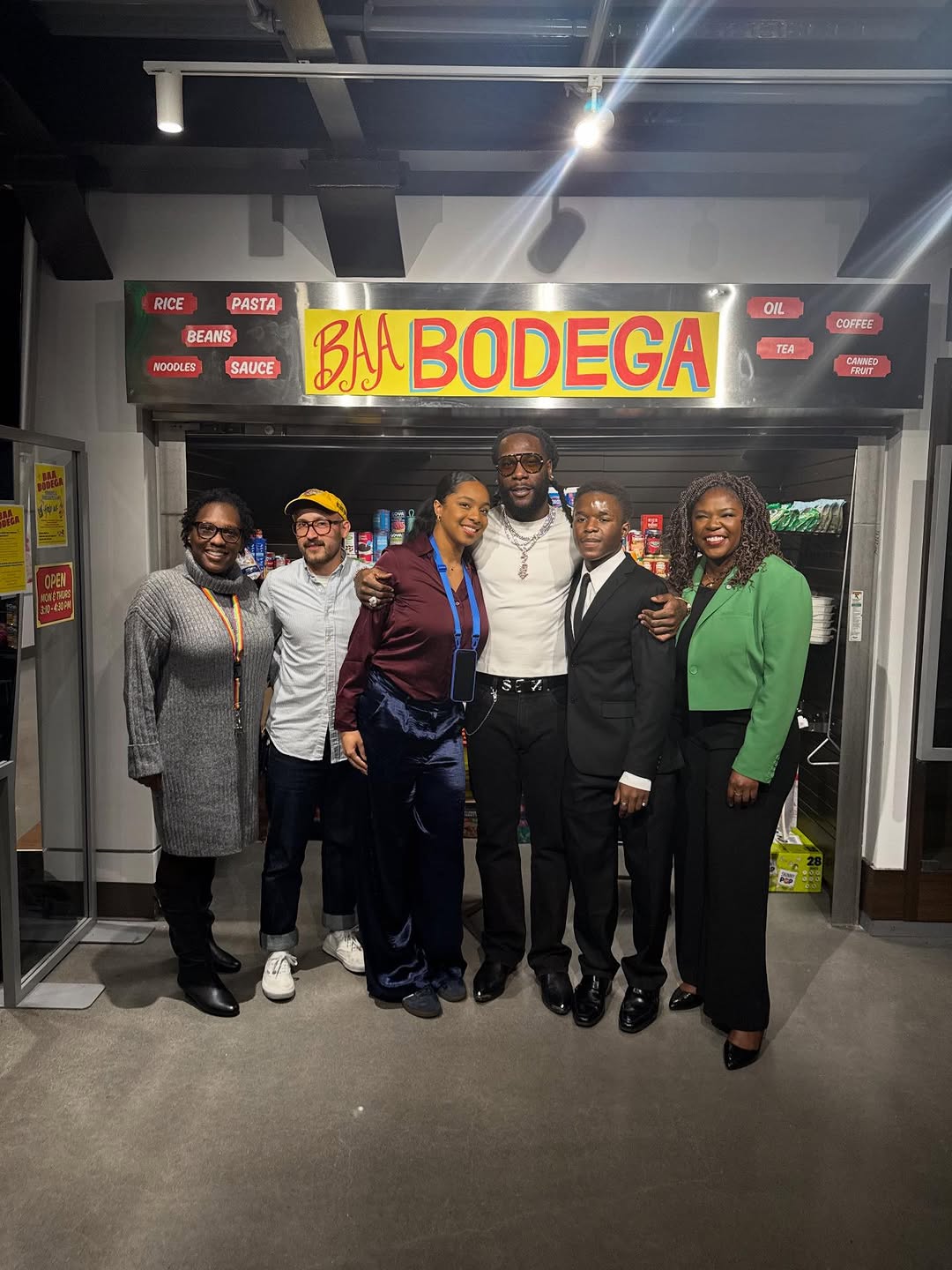
In December 2025, he made a surprise visit to the Boston Arts Academy, a public performing arts high school, where he announced he would annually sponsor the school’s “Free Bodega”, an initiative providing food, toiletries, and essential items to students from low-income families.
During the visit, the singer personally restocked supplies and donated 20 tickets to his TD Garden show. The gesture added a philanthropic layer to his Boston legacy, transforming Burna Boy Day from a ceremonial honor into a tangible community partnership.
A Global Force in the “No Sign of Weakness” Era
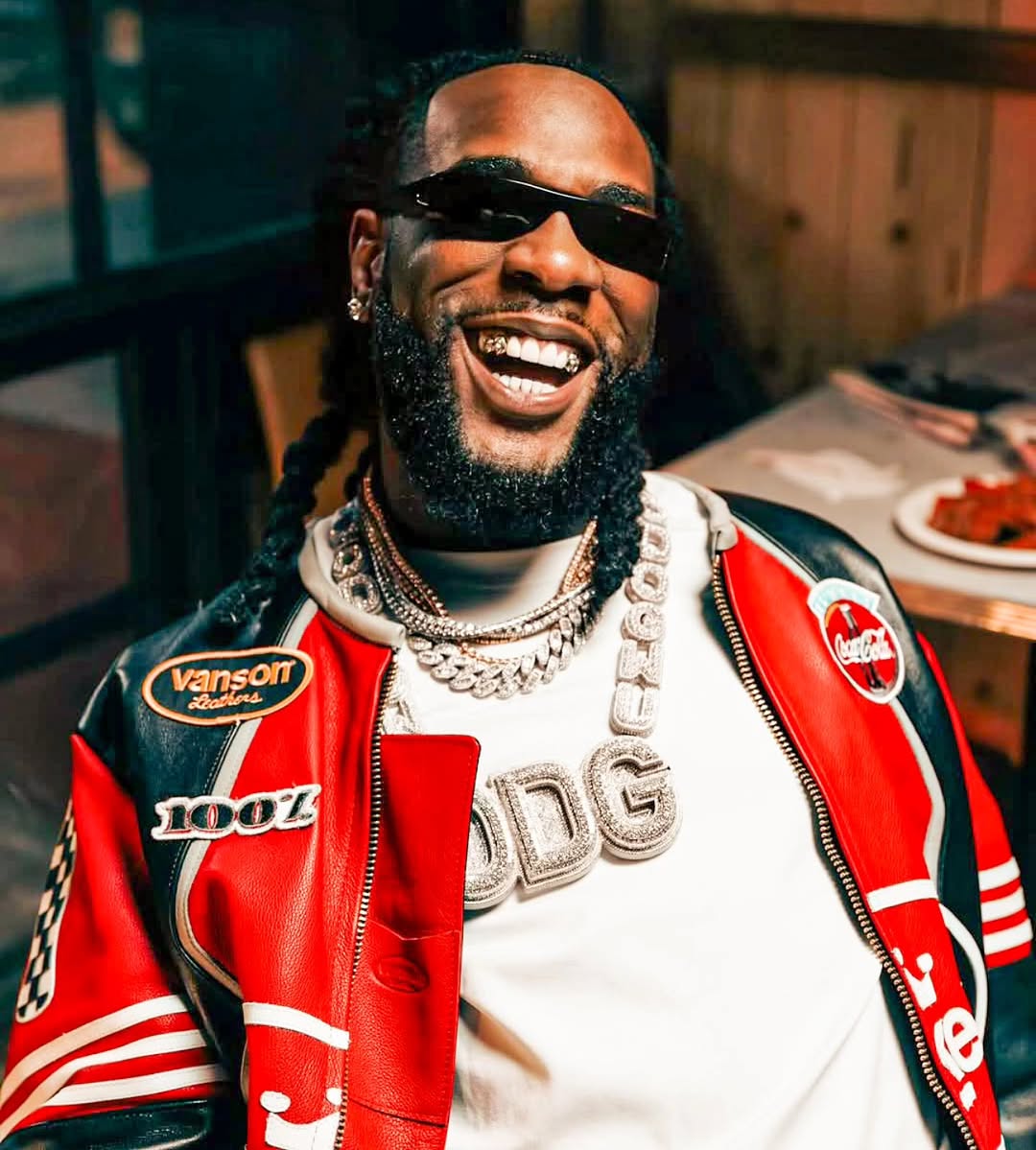
The 2026 celebration also comes at a time when Burna Boy remains firmly positioned at the forefront of global music.
His latest album, No Sign of Weakness, and its standout single “Love” have earned nominations at the 2026 Grammy Awards, reinforcing his status as one of Africa’s most commercially and critically successful exports.
In Boston, the date falls immediately after Black History Month, and local officials have continued to describe Burna Boy as a “legend in Black history,” emphasizing how his career symbolizes possibility for diasporic communities.
Cultural Symbolism Beyond One City
Boston is not alone in its recognition. Other American cities have begun following suit, with Newark, New Jersey, recently declaring its own Burna Boy Day. Still, Boston’s proclamation remains among the earliest and most prominent examples of official state-level acknowledgment of an African contemporary music star.
The resolution’s language was explicit: Burna Boy “amplifies the voices of marginalized communities” and represents a shift in global narratives surrounding African culture.
For a genre that once struggled for mainstream American visibility, the annual observance serves as a reminder of how far Afrobeats, and African music more broadly, has traveled.
More Than a Celebration
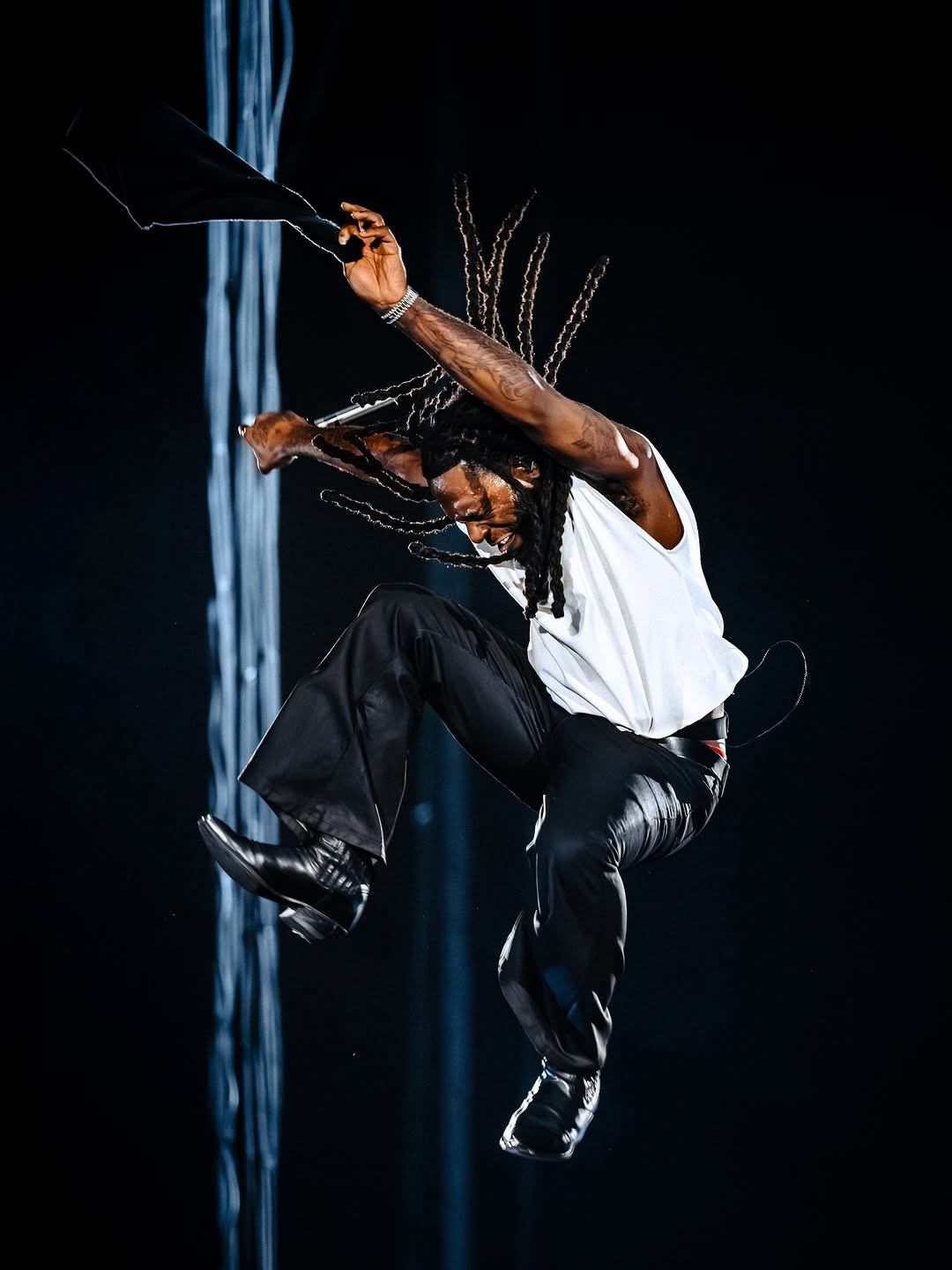
While social media often playfully refers to March 2 as a day of “no work, no homework, and no school” in Burna Boy’s honor, the underlying meaning carries weight.
It recognizes a historic first, the first African artist to sell out TD Garden, but also something larger: the normalization of African excellence in spaces that once excluded it.
Three years on, Burna Boy Day is no longer just about a concert. It represents sustained impact, diasporic pride, and the cultural bridges built through music.
As Boston marks the third annual celebration, the message remains clear: the African Giant’s influence extends far beyond the stage.


