
When J. Cole announced The Fall-Off World Tour, fans across the globe rushed to scan the dates. The tour, billed as a career-defining and possibly final global run, stretches across more than 50 cities in North America, Europe, the UK, Australia, and New Zealand, before ending with a stadium show in Johannesburg, South Africa, on December 12, 2026.
But for Nigerian fans, one absence stood out immediately: Lagos.
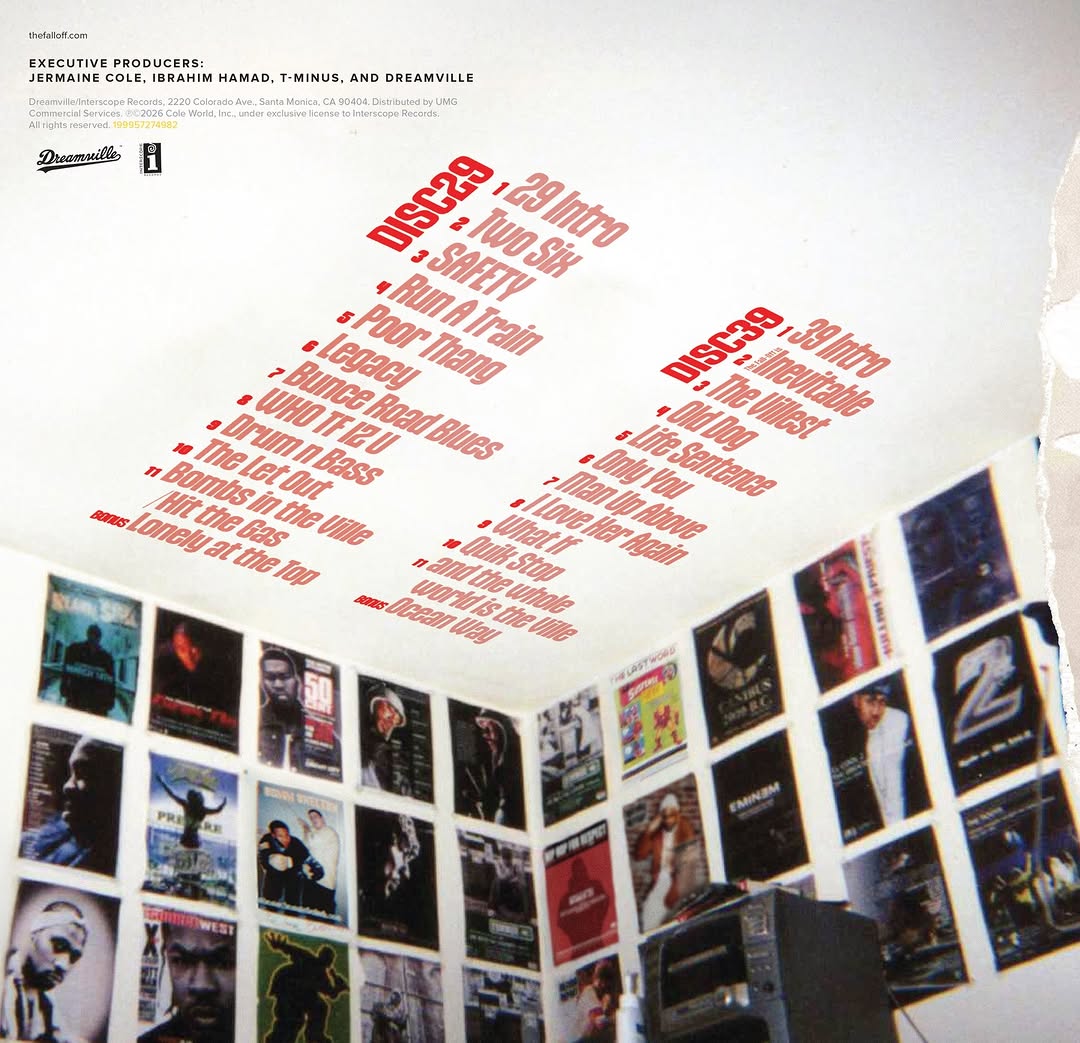
The omission feels particularly striking given that The Fall-Off, released on February 6, 2026, features Burna Boy and Tems, the only African artists on the album, on two of its standout tracks, “Only You” and “Bunce Road Blues.” In a moment when Afrobeats’ global influence is undeniable, the decision to skip Nigeria has reignited a familiar question: why does Africa’s biggest music market still struggle to secure major global tour stops?
A “Final” Tour, A Familiar Disappointment
The Fall-Off tour is being framed as a full-circle moment for J. Cole, his first solo headline tour in five years and his first full global tour since 2017. Its conclusion in Johannesburg positions South Africa as the sole African stop and the final show of the entire run.
For Nigerian fans, the irony is hard to ignore. Cole’s creative relationship with Nigerian artists has deepened over the years, culminating in two collaborations on an album meant to mark the closing chapter of his career. Yet the country that has supplied collaborators, culture, and one of his most passionate fan bases remains off the itinerary.
As of February 18, 2026, neither Live Nation nor local promoters have announced any Nigerian dates, and ticket sales have already begun in South Africa.
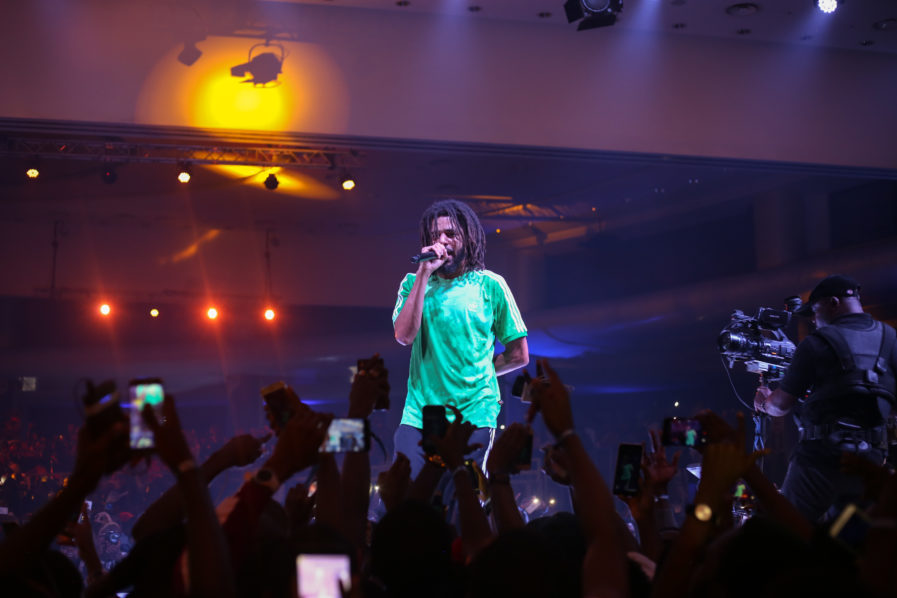
This absence feels even more jarring when viewed against history. In 2018, J. Cole performed in Lagos at the Castle Lite Unlocks concert, just days after releasing KOD. Videos from the night showed thousands of fans rapping the album back to him, word for word. Cole himself appeared visibly stunned, later remarking that he should have come to Nigeria sooner.
That performance cemented his reputation among Nigerian hip-hop fans as an artist who truly understood the audience. But there’s a key distinction between then and now: Castle Lite Unlocks was a brand-sponsored event. The Fall-Off tour is a high-stakes, self-contained global production.
The Infrastructure Problem
At the heart of the issue lies infrastructure. Stadium-level tours require more than enthusiasm, they demand venues, logistics, security, and technical capacity that meet global touring standards. Johannesburg’s FNB Stadium, with a capacity of over 90,000 and a long history of hosting international mega-events, fits that bill. Lagos, despite its cultural dominance, still lacks a comparable, consistently tour-ready arena. For artists operating at Cole’s scale, these gaps translate into financial and logistical risk.
This reality has repeatedly shaped tour routing decisions, even as Nigeria remains Africa’s most influential music exporter.
The Economic Barrier
There’s also the question of affordability. Global tours operate on ticket prices that often exceed $100. In Nigeria’s current economic climate, that figure represents a significant financial hurdle for many fans. For tour organizers, currency volatility and purchasing power become major concerns, affecting everything from pricing strategy to projected turnout. While Nigerian fans are famously passionate, converting that passion into sustainable ticket sales at international tour standards is a complex challenge.
Fan Sentiment and Cultural Tension
Unsurprisingly, the reaction online has been mixed. Many Nigerian fans expressed disappointment, arguing that the country’s cultural impact, and Cole’s history there, warrant a tour stop. Others acknowledged the realities of infrastructure and economics, framing the omission as unfortunate but unsurprising. Still, the frustration taps into a deeper tension: African artists increasingly headline global stages, yet African cities often remain absent from the tours of the very stars influenced by the continent’s sound.
Creative Bonds, Business Realities
J. Cole’s collaborations with Burna Boy and Tems reflect a genuine creative exchange, not a superficial nod to Afrobeats’ popularity. That makes Nigeria’s absence from The Fall-Off tour feel less like indifference and more like a reminder of unresolved structural barriers.
The bond between Cole and Nigeria has never been stronger artistically. But until infrastructure, economics, and touring logistics align, that connection may continue to thrive on record, without always translating into live performances. For now, The Fall-Off lands in Johannesburg, not Lagos. And for Nigerian fans, the wait continues.


